
Systems for the transport of grains and cereals in industrial and food environments
The transport of bulk grains and cereals requires reliable, hygienic systems adaptable to the various phases of the process: from receiving the raw material to storage, from dosing to the processing line.
HIWAY systems are designed to transfer dry agricultural products such as wheat, corn, barley, rice and oats, without contamination, breakage or dust dispersion.
Request a consultation for your plant
Application case
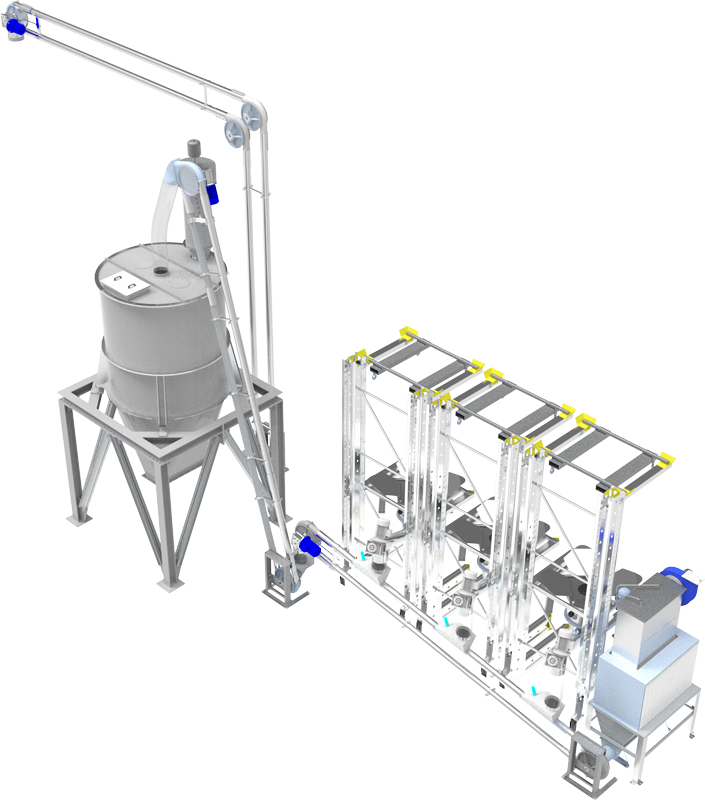
HiWay system for the automatic handling of millet grain
- Ø Tube: 114 mm
- Motorisation: 2.2 kW
- Capacity: 35 m³/h
- Material density: 0.7 Kg/dm³
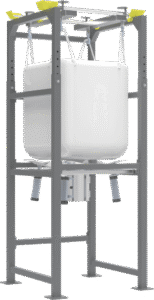
The system is composed of three big-bag emptying
stations and a sack-cutting station equipped with a
suction fan, which convey the material inside
the process line.
The transfer of the product takes place
through a series of two TVE 114 aero-mechanical
conveyors, which feed the weighing hopper.
The same hopper, once the weighing is completed,
doses the incoming material towards an additional
TVE 114 aero-mechanical conveyor, which discharges
the product exactly in the point requested by the
customer.

The system is composed of three big-bag emptying stations and a sack-cutting station equipped with a suction fan, which convey the material inside the process line.
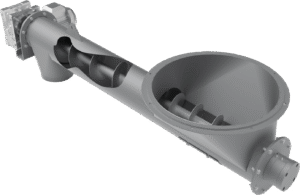
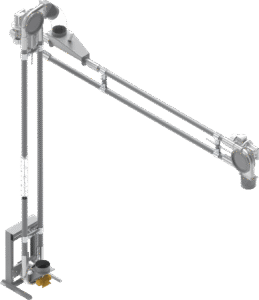
The transfer of the product takes place through a series of two TVE 114 aero-mechanical conveyors, which feed the weighing hopper.
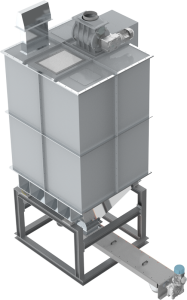
The same hopper, once the weighing is completed, doses the incoming material towards an additional TVE 114 aero-mechanical conveyor, which discharges the product exactly in the point requested by the customer.

Why choose HiWay for cereal transport
- Closed circuit: no contamination from external agents;
- Gentle handling, no grain breakage;
- Ideal for long routes and multipoint distribution;
- Systems easy to clean, available in stainless steel;
- ATEX compatibility for cereal dust;
- Low noise, very low energy consumption and low maintenance.
Do you have a milling plant?
- Silo loading in milling plants;
- Feeding selection and packaging lines;
- Feeding mixers or ovens with recipe-based dosing;
- Connection between hoppers and drying plants;
- Dosing ingredients in feed mills and pet food plants.